India is watching the growing tension in West Asia with concern due to the disturbance of vital sea lanes, which may disturb global peace. India is ready to discuss these issues at a diplomatic meeting.
West Asia Tensions to Dominate Diplomatic Conference
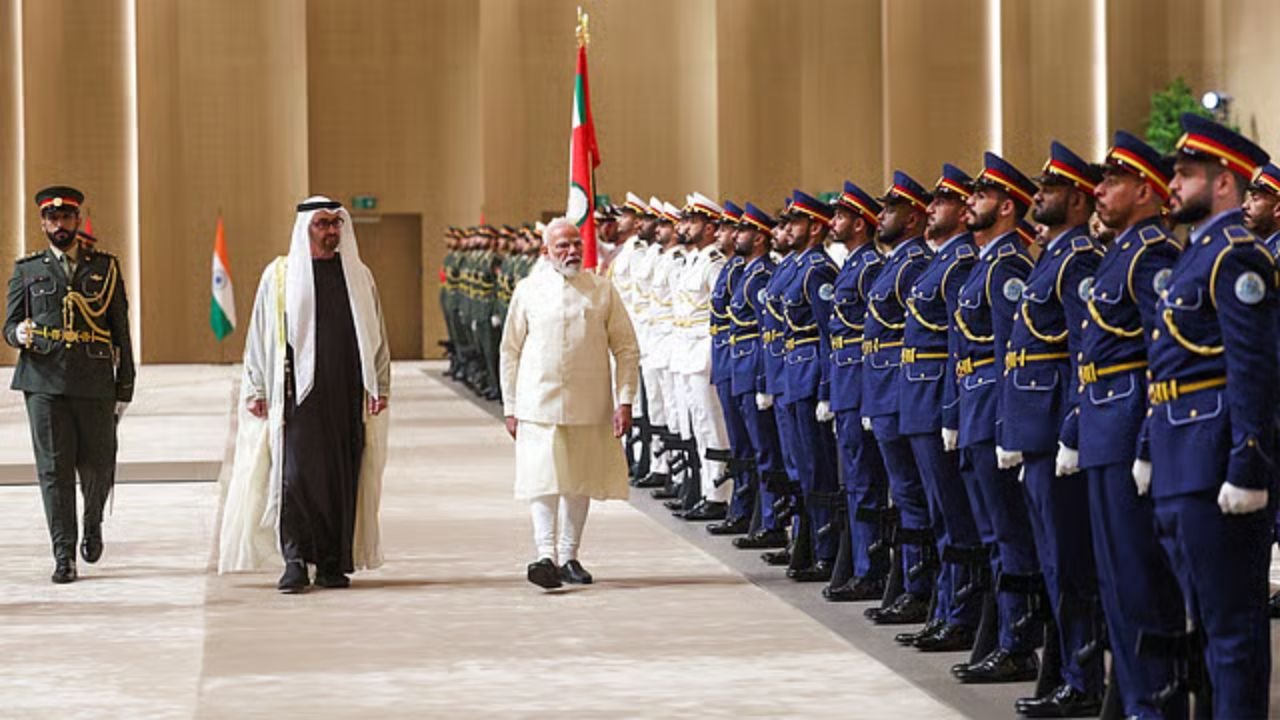
Ongoing war in West Asia, impact of the conflict economically and politically on the Gulf nations, shifting dynamics with the United States and China, would be discussed in the three-day conference, with India’s Prime Minister Narendra Modi attending as well. This conference, to be held from April 28-30 in New Delhi, will be attended by all senior Indian ambassadors from other nations.
The Strait of Hormuz is an important route through which international crude oil is transported. In recent times, this strategic region has seen increased conflict between various international and regional players.
On April 30, PM Narendra Modi is scheduled to speak at the conference, highlighting the significance of the matter for India’s economic and geopolitical objectives. The crisis’s wider ramifications, such as how it affects global trade, supply chains, and energy costs, will be the main topic of discussion.
Energy Risks & Iran–US Tensions
The obstruction of maritime transport in the Strait of Hormuz, which carries almost one-fifth of all oil traffic around the globe, has generated severe volatility in the international energy market environment while at the same time exacerbating the geopolitical tensions between Iran and the US.
Obstruction of the shipping lanes in the Strait of Hormuz would not only disrupt global supply chains but would also drive up the cost of oil prices, leading to increased inflation and reduced growth, especially in countries that rely heavily on imports, such as India.
In addition, the growing enmity between Iran and the US has elevated the issue to a wider theater of strategic competition, whereby Iran is deploying coercion in its maritime domain, while the US signals its willingness to use force.
The escalatory behavior, in the form of threats to shipping lanes and the deployment of naval forces, increases the likelihood of a wider conflict, thereby undermining global trade systems and energy security.
Strategic and Economic Implications for India
India, being highly dependent on oil shipments from the Strait of Hormuz, is exposed to greater dangers of interruption in supply and higher prices for energy and the consequent inflation amid the present turmoil.
A prolonged period of unrest may pose a threat to economic growth and trade due to disruptions in critical maritime passages. As such, India is likely to reconsider its foreign policy in terms of ensuring access to energy resources and fostering regional cooperation to offset the repercussions of the West Asia confrontation.
Also Read: West Bengal Election 2026: Historic 90% Turnout as Mamata Banerjee Faces Tough BJP Challenge