India’s External Affairs Minister S. Jaishankar expressed his appreciation for the diplomatic conversations that have occurred between Iran and India regarding protecting shipping routes via the Strait of Hormuz.
On March 15, 2026, in an interview with the Financial Times, he stated that these conversations have produced some positive outcomes and have been used to facilitate Indian vessels’ ability to transit this area during the time of increased tension between countries in the Middle East.
Jaishankar said, “Through dialogue, we have seen the outcomes.” He believes that diplomacy will continue to be the best means of resolving issues between nations during this time of geopolitical uncertainty.
A Vital Global Oil Route
Maritime passages, such as the Strait of Hormuz (one of the world’s most important maritime passages), serve as conduits between the world’s oil suppliers and the global economy. Approximately 20 per cent of the world’s total oil supply transits through this narrow shipping passage connecting the Persian Gulf with international markets. Disruptions to this transcontinental corridor would have global ramifications by impacting the prices and availability of fuel around the world.
The outbreak of tensions among Israel, Iran, and the US has also made people in the shipping industry think twice about the safety of commercial shipping in the region.
Trump Calls for Naval Support
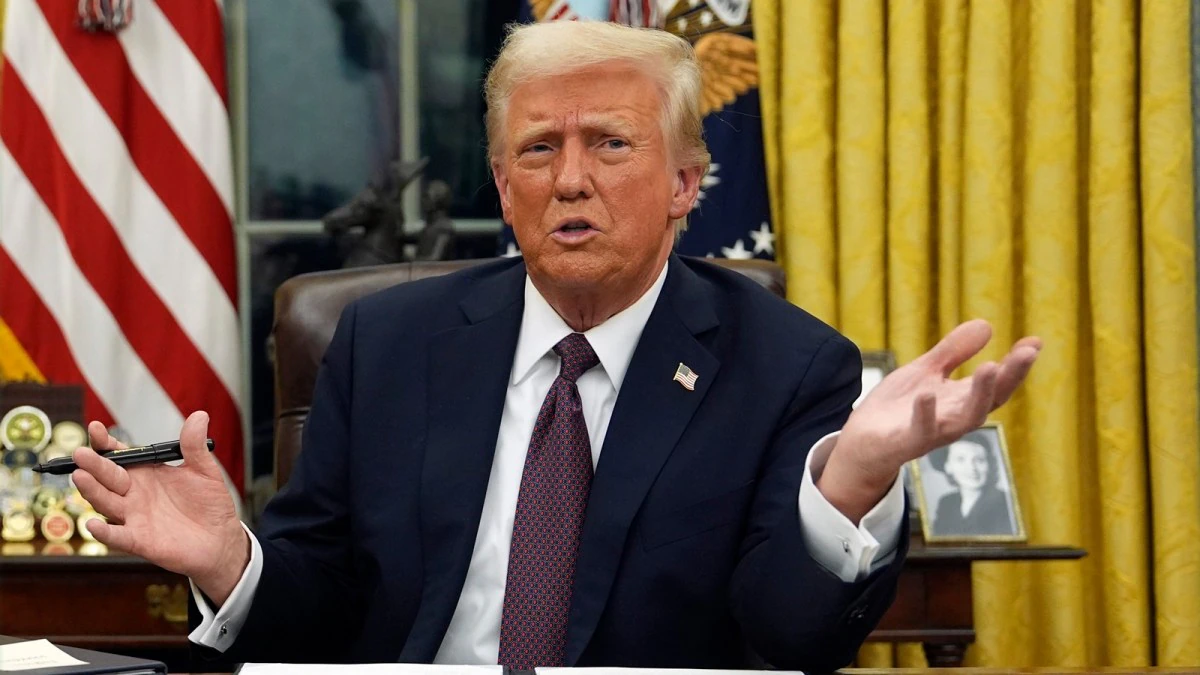
As the situation worsens, Donald Trump has called upon major nations to send naval units into the area to ensure the safety of sea lanes for shipping.
In a post on Truth Social, Trump asked China, Japan, Europe, and the UK to provide warships in support of this initiative.
Trump’s request for military support by the major powers is in connection with Iranian military activity against recent Israeli and U.S. actions targeting Iranian military installations in the region; however, as opposed to the militaristic approach suggested by Trump, India is pursuing primarily diplomatic means of addressing these issues.
Indian Ships Cross the Strait Safely
To illustrate how successful India’s diplomatic efforts were, Jaishankar shared an example in which two Indian-flagged liquefied petroleum gas carriers, Shivalik and Nanda Devi, crossed the Strait of Hormuz on March 14 carrying about 92,712 metric tonnes of liquefied petroleum gas (LPG) for India.
The minister stated that the safe passage of these ships demonstrates that dialogue can be used to maintain important trade routes even during times of increased tension in the region.
No Special Deal for Indian Ships
Although being able to pass through the strait has been successful, Jaishankar still wants clarification that there is no blanket agreement between India and Iran for the protection of all Indian-flagged vessels.
He highlighted that Iran did not offer any additional benefits/considerations/concessions or exchange of incentives to facilitate the passage of Indian merchant vessels, and the only objective of achieving progress so far has been through the efforts and communication each government had with the other diplomatically and through coordination.
Each Country’s Relationship With Iran Is Different
Jaishankar noted that the relationship each country has with Iran is different, so a country may create diplomatic or military plans based on that relationship’s characteristics. “All of these relationships are based on their individual needs.” If a European country wants to see how New Delhi dealt with problems with Tehran during this crisis, India would be open to discussing the details with the respective European capitals.
Diplomacy Still Ongoing
Ongoing talks with Iran remain ongoing; the entire region still needs to have increased efforts made to help keep shipping routes stable.
As Jaishankar said, “While getting off to a good start represents a positive step, it is (in fact) indicative of the fact that there are still discussions/negotiations continuing between the two countries.”
For India, which relies on imported energy sources from the Gulf area, ensuring that there continues to be safe passage through Hormuz is increasingly important as an economic objective for India.
India continues its focus on utilising quiet diplomacy as the method of dealing with the uncertainty in the Middle East while simultaneously trying to minimise the risks associated with having increased military personnel in the area and supporting trade without creating another conflict in one of the most sensitive geopolitical regions on the planet.