Mojtaba Khamenei has been appointed as Iran’s new Supreme Leader, taking over from his father, Ali Khamenei, at a time of heightened regional conflict and political uncertainty. The newly appointed supreme leader has been considered a powerful figure in Iran, but has not received much publicity in the past. The Assembly of Experts (88 members) confirmed the new supreme leader’s appointment shortly after midnight Tehran time. The Assembly of Experts publicly recognised Ayatollah Seyyed Mojtaba Hosseini Khamenei with a unanimous vote, making him the Islamic Republic’s third Supreme Leader. As Supreme Leader, Mojtaba Khamenei will now have ultimate authority over the political, military, and religious institutions in Iran.
The Shadow of His Father
Mojtaba Khamenei has taken the helm following the death of his father, Ali Khamenei, who was killed near the beginning of the latest waves of military attacks against Iran. For over 30 years, the elder Khamenei had presided over the Islamic Republic, having established himself as one of the most powerful leaders in the Middle East.
Even though he is only a mid-level cleric, he has cultivated very strong relationships with security and economic infrastructure in Iran that have made him an attractive candidate for succession for many years.
The rise to power of Mojtaba Khamenei is seen as indicative of the current leadership’s long-term commitment to the Islamic Republic, at a time when the country is subject to both internal and external pressures.
Global Reactions and Rising Tensions
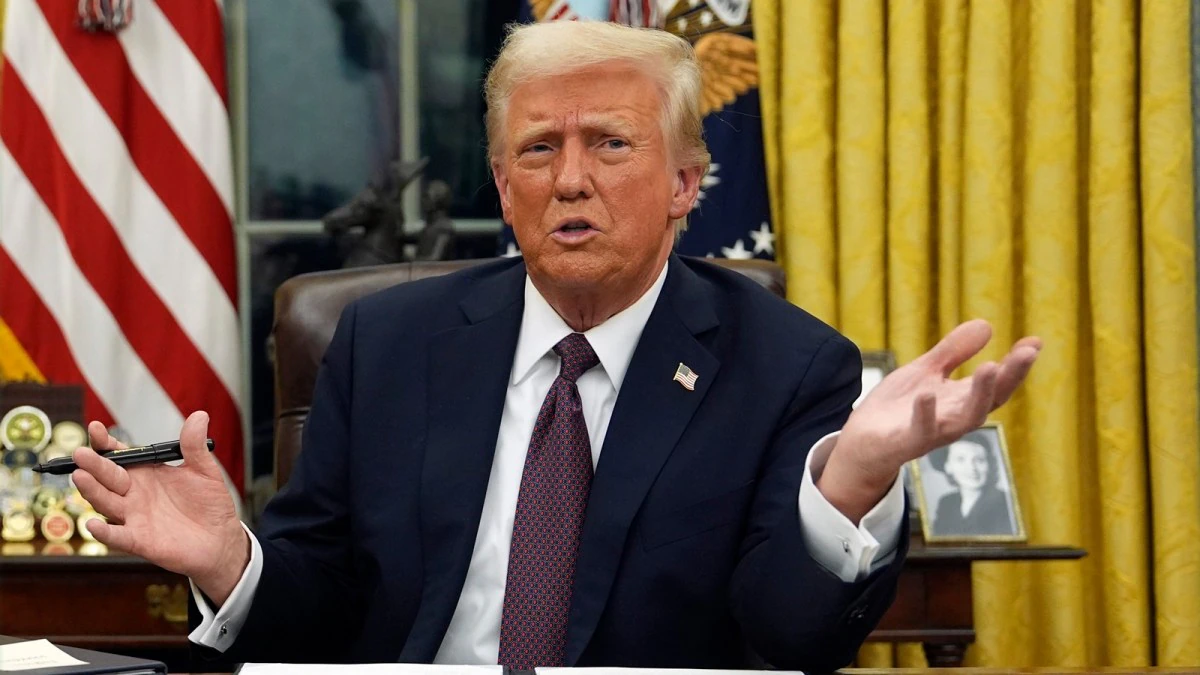
This appointment is expected to increase tensions between Washington and Tehran. President Donald Trump stated previously that he believes it is important for the United States to be involved in the process of transitioning to new leaders in Iran and said that if there is no approval from Washington, then whoever is put into power after the elder Khamenei will likely have a difficult time holding on.
The Israelis have also indicated that they will target whoever succeeds the elder Khamenei because the hostility is being directed at all sides involved in this conflict.
The ongoing violence between Tehran, Washington, and Israel has continued to escalate. The Iranian government claims that, as a result of the ongoing war, there have been over a thousand civilian deaths, and the United States still reports casualties among the U.S. military as a result of Iranian retaliation.
War Overshadows Leadership Change
The Iranian people in Tehran are seeing thick black smoke rising from the areas being targeted by airstrikes on the oil storage facilities as further evidence of the war that continues to change everyday life within Iran. An Iranian Foreign Ministry report stated that these attacks are yet another dangerous escalation of the ongoing conflict and warned that any attack on an oil storage depot increases the potential for releasing toxic chemicals into the air. Israel states that these countries that control the oil depots are directly supporting Iran’s missile programmes, therefore making them a legitimate military target.
A Defining Moment for Iran
Mojtaba Khamenei has taken control of Iran during one of the most unstable times in recent history. He will have a significant influence on how both Iran’s political direction develops and how the larger balance of power in the Middle East is impacted, based on the high level of regional tensions and the increasing amount of worldwide scrutiny.
The current concern for many Iranian citizens and experts observing from abroad is whether or not he will remain on the same path as his predecessors or take a different one.
Also Read: India Turns to Russian Oil as Hormuz Disruption Tightens Global Energy Routes