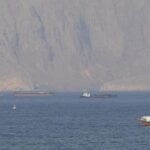
Despite mounting tensions between the USA and Iran due to their conflict, India’s LPG tanker was able to cross the vital shipping lane that is located in the Strait of Hormuz with no interruption or incident.
This event provided some comfort for energy markets and policymakers in India. The LNG tanker was reported to have passed through the confined strait earlier in the morning and continued on toward its destination as safely as possible. The fact that the LNG tanker passed through the Strait of Hormuz supports the idea that this is one of the key waterways in the world. Much larger than 50% of the total oil and natural gas supplies of the world flow through this strait; therefore, if there ever were to be a disruption of service, then the very economies of several countries would be jeopardised, especially countries that depend on energy supplies to sustain themselves.
Moreover, officials have stated that there is likely to be another LNG tanker headed to India that will also seek to travel through the Strait of Hormuz soon.
Iran Promises Safe Passage for Indian Ships
Shortly before, Mr Mohammad Fathali reaffirmed that vessels en route to India from Iran would be able to transit the waterways without impediment.
According to the ambassador’s statements, the promise was based on the longstanding diplomatic and trade history between both countries.
The ambassador stressed that they both have a vested interest in each other and many years of collaboration, and Tehran wants to make certain that ships carrying critical goods (for example, food, raw materials, etc.) transporting to India will not be blocked or restricted while using these waterways.
This would imply that energy carriers destined for India would be considered differently in regard to the current geopolitical landscape in the region.
Why the Strait of Hormuz Matters
The Strait of Hormuz is only around fifty kilometres (31 miles) wide at its narrowest point and has considerably shallow depths of water. This geography makes it extremely vulnerable to blockades or military interference.
Every single day millions of barrels of oil and tremendous quantities of liquid petroleum gas travel through this passage, connecting major exporters within the Gulf with energy-needing markets in Asia.
India, for example, which is very much reliant on imported forms of energy, would be especially impacted by any disruption in this corridor, as it would create potential for sharp price increases, reduced supply, or general constraints on their overall economy.
In fact, the current increase in tensions within the area has already resulted in significant delays in shipping and an increase in the costs of insurance for vessels travelling through the strait.
Energy Supply Concerns After Qatar Disruption
India’s natural gas needs are met approximately 50% through international purchases. A large portion of these international purchases occurs from Qatar, which is one of the largest LNG suppliers in the world. However, due to supply disruptions of QatarEnergy’s product, significant portions of Asia’s supply flow have been disrupted due to escalated tensions in the Gulf region.
These supply chain disruptions have raised concerns about how they may affect India’s fuel supply in the weeks ahead, and therefore the safe transit of LPG tankers provides confidence that at least some shipping routes are still functioning.
Government Says India’s Energy Situation Is Stable
The Indian Government is reporting that the energy supply in India is relatively secure and stable, regardless of the tensions between the U.S. and Iran.
India now has over 70% of its oil imported via routes other than the Strait of Hormuz, thus reducing the country’s exposure to potential disruption on such a sole route.
Further, India’s refining capacity is very large and assists in supplying fuel. The country is one of the largest refining centres in the world, having the ability to refine very large quantities of crude oil into important fuels such as petrol, diesel, and LPG for use in India and around the world.
As a result of increasing demand for LPG, officials also confirmed that production of LPG has been increased by almost 28%.
Panic Buying Adds to Market Pressure
The surge in bookings for LPG gas cylinders in various regions of Australia was attributed to panic buying by consumers. Due to the conflict’s high-profile nature (being reported widely), many people were concerned about potential shortages and rushed to obtain extra cylinders before they ran out. Government officials reiterated their assurances that there is currently no LPG crisis in Australia and urged the public not to panic.
As a result of the escalating situation, the government has established guidelines to prioritise the distribution of gas to critical industries to support the uninterrupted provision of essential services.
A Fragile Calm in Global Energy Markets
Analysts believe that although this successful journey has given us momentary hope to receive shipments, the situation in the Arab world is still uncertain.
The current US–Iran conflict will greatly impact the shipping lanes across the globe, as well as the energy markets. Should this conflict escalate any further, it could disrupt what little balance is left that allows for these shipments to continue.
Currently, however, this journey has been completed successfully, thus far demonstrating that the shipping pathways from India remain secure and that relationships being formed in diplomacy will assist in facilitating the flow of energy during times of turmoil.
Also Read :LPG Cylinder Prices Rise as Global Energy Tensions Grow