The new Supreme Leader of Iran, Mojtaba Khamenei, has given his first message since he assumed the title. The tone of this speech was one of defiance and indicates that the current situation between Iran and the situation in the Middle East is not close to being resolved. In Khamenei’s broadcast message via Iranian State Television, he indicated that the Strait of Hormuz could remain closed and that military base installations in the region, including US military bases, could become targeted if tensions remain high. These statements come as Khamenei’s first public comment since he took over after the death of his father, Ali Khamenei.
The speech from Khamenei set a tone of hostility and showed that Iran intends to challenge the influence and pressure from both the US and the US’s allies.
Hormuz Warning Raises Global Alarm
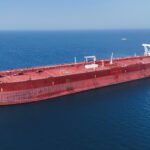
Khamenei’s comments on the Strait of Hormuz illustrate how important this area is in terms of oil trade all over the world. Additionally, the ability to close the Strait of Hormuz may be a way for Khamenei to influence the US government. Without the Strait of Hormuz, Iran would not only face many difficulties but also be a major threat to shipping oil via this route since Khamenei has made it clear he will use economic power to help alleviate military and political pressures from other countries.
Threat to US Military Bases
The new leader of Iran has also provided a direct warning regarding the USA. The leader stated that US military bases throughout the Middle Eastern region are at risk of attack unless the bases are closed while still maintaining an active military presence in the region.
The leader claimed that the US presence in the region has caused further instability rather than peace and security.
Khamenei called for the USA to close down their bases in the region, and if the USA were to continue with military service in the region, there would be a greater chance of an escalation of conflict.
This warning comes as a result of the current state of war between the USA, Israel and Iran.
Vow to Avenge War Victims
Iranian leaders have traditionally regarded retaliation as an essential means to uphold national pride and discourage additional assaults against the country. Khamenei reiterated that Iran would take revenge on those who lost their lives in the war, asserting that the country would ultimately receive reparations from its foes for the suffering it endured during the war. He added that Iran has only undertaken a fraction of the retaliatory measures against its enemies thus far and that there are still other actions available to them until they feel they have achieved justice for their lost loved ones.
Tribute to His Father, Ali Khamenei
The statement dedicated a considerable amount to the deceased Supreme Leader Ali Khamenei. Mojtaba described seeing his father’s dead body and depicted him as a representation of strength and endurance. He stated that the former leader’s solidness affirmed the appropriateness of his policies and convictions. The new leader undertook to progress along the same road as his father and keep alive the ideology that characterised his father’s rule, which lasted for several decades.
Support for Regional Allies
Groups in the Middle East, including fighters aligned to what Iran calls the “Resistance Front”, of which Hezbollah in Lebanon, the Houthis in Yemen and other allied militias in Iraq are constituent members, have long been understood to represent a critical part of Iran’s power projection capability and strategic deterrent.
Iran’s Conditions to End the War
Masoud Pezeshkian, the president of Iran has set out a number of criteria for ending the hostilities between Iran and both the US and Israel. As per Pezeshkian, a resolution must entail:
• Recognition of Iran’s rightful entitlements
• Reparation of the damages incurred as a result of combat
• Assurance of safeguards against future aggression
Pezeshkian asserted on the social media site X that these conditions must be met in order to arrive at a stable and long-lived peace.
Oil Prices Surge as Conflict Escalates
The conflict is already having an effect on the world economy.
Iran’s strikes against global shipping and energy infrastructure in the Persian Gulf have caused the price of oil to rise over $100 a barrel.
Tehran is believed by some analysts to be trying to put economic pressure on the entire world to make Washington and its allies change their military strategy. On the other hand, both sides have attacked each other repeatedly since the war began on February 28, and this has raised fears of the conflict becoming broader throughout the Middle East.
Also Read: Iran Names Mojtaba Khamenei as Supreme Leader Amid Deepening Conflict