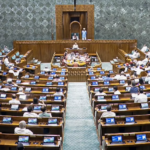
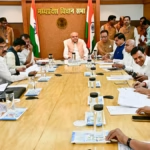
India’s energy security has been shaken by the growing geopolitical tension in the Middle East. PM Narendra Modi met with Petroleum Minister Hardeep Singh Puri and External Affairs Minister Subrahmanyam Jaishankar to discuss the LPG supply situation, which has been affected by disruption in the Iranian conflict.
The government’s priority is to safeguard domestic consumers given the instability in energy transportation routes throughout the global economy, particularly involving Iran and its US and Israeli adversaries. Officials state the government has implemented a strategic plan to avoid shortages of cooking gas at homes.
LPG is the primary fuel source for millions of households in India for cooking purposes, and any interruptions of normal imports would quickly create disruptions throughout the entire imported goods supply chain, from production through distribution and eventually to retail sales.
Strait of Hormuz Disruption Raises Alarm
Concerns are now concerning developments relating to the Strait of Hormuz, an important energy corridor in the world. A significant proportion of the world’s oil and gas flows through this narrow waterway, and for India, it is even more important because the majority of the LPG that India gets comes through the Strait of Hormuz.
The government has stated that India consumes approximately 62% of its LPG needs through imports and that between 85% and 90% of all LPG being imported into India is transported through the Strait of Hormuz. In fact, much of India’s LPG being imported comes from the major Gulf countries (i.e., Saudi Arabia, Kuwait, and Qatar).
So, – if that shipping lane is disrupted in any way, then that will immediately affect India’s energy supply system. Therefore, the government of India has said that they are considering alternatives to the current shipping routes and sources in order to provide for the short-ter deficit created by this disruption.
India’s Massive LPG Demand
The volume of cooking gas used in India has been increasing rapidly during the last ten (10) years, especially since the government introduced program(s) to encourage more households to have access to clean cooking fuel. Currently, approximately 31.3 million tons of LPG is consumed annually in India, so the majority of the LPG that is consumed in the country goes to households.
A large majority of the LPG consumed in India, or eighty-seven percent (87%) of it, is for domestic use, and only thirteen percent (13%) of LPG is used by businesses (such as restaurants), hotels, or industry. So, since LPG is considered to be an essential commodity, the Government of India will focus on meeting the needs of domestic consumers before they meet business consumers’ requirements during this supply shortage.
Commercial Sector Facing Supply Pressure
Households will get preference for their gas supply; however, the effect of the gas shortage is already being felt by businesses that use commercial LPG cylinders. CGI is being told that there are reports that restaurants, hotels and catering providers in major metropolitan areas like Mumbai and Bengaluru are running low on inventory.
The India Hotels and Restaurants Association and other industry groups have expressed their concerns about the effect of supply disruption on their respective businesses.
Commercial LPG containers are available at market rates and must be supplied after the needs of households are satisfied. Because there is less gas available due to the interruption of imported gas supplies, the businesses will soon find that they are operating with a limited supply of gas.
Emergency Measures Announced
There have been several emergency measures that the Ministry of Petroleum and Natural Gas has implemented to stabilise supply and avoid panic-buying of LPG. Refineries have been ordered to raise their production of LPG by temporarily suspending some of their petrochemical production. Also, the minimum refill cycle for domestic cylinders has been increased from 21 days to 25 days, which is designed to cut down on hoarding and black-market activities during this time of emergency.
In addition to addressing household needs, the government is now also prioritising LPG supplies to four essential services:
– Emergency hospitals
– Schools
– Critical public buildings
These above-mentioned services will continue to receive an uninterrupted supply of fuel.
New Committee to Control Supply
There is also an established specialised review procedure to manage limited stocks of LPG.
There will be three executive directors from notable OMCs in the review committee, which will assess the requests from industries and commercial users and provide a determination of an allocation of LPG supplies according to need, the effect of the operational need that exists and/or the availability of product.
Officials indicated that the process for reviewing and determining the distribution of LPG supplies is intended to ensure transparency and fairness in the way that the LPG is being distributed among essential sectors of the economy.
The state-owned energy company, Hindustan Petroleum Corporation Limited, indicated that their production efforts will be increased even with the disruption caused by world politics regarding the foreign supply of LPG.
Government Monitoring Situation Closely
According to officials, their ongoing research suggests they have enough supplies of Liquid Petroleum Gas (LPG) to produce energy at home while they continue to explore alternate methods of importing LPG. They also state that the continued conflict in the Middle East is creating a lot of uncertainty; however, their primary objective is to ensure households have access to cooking gas while also ensuring consumers will not panic over the LPG shortage. As a result, the Indian government has put together a number of strategic plans and other emergency production measures to minimise the effects of global energy shocks on Indian households through the use of these types of plans.
Also Read: LPG Cylinder Prices Rise as Global Energy Tensions Grow