The leading economies of the planet are carefully monitoring the global oil market with concerns that continue to grow. However, during this time period, officials have chosen to be cautious and not intervene immediately.
In a meeting of the Group of Seven (G7), there was a consensus not to use the available petroleum reserves in response to rising prices as a result of escalating tensions in the Gulf area; G7 officials say that the oil market remains very stressed, but no extraordinary measures are warranted at this point in time.
Oil Markets Under Pressure
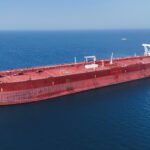
The price of crude oil has risen above 100 US dollars per barrel due to ongoing geopolitical tensions between Iran, Israel and the USA disrupting key routes for shipping energy around the world. The area of greatest concern with regards to shipping is the Strait of Hormuz, which is one of the two or three most important oil shipping corridors in the world; the Strait of Hormuz represents a transit route for approximately 20% of the world’s oil supply. Disruption at this point will cause price increases in other parts of the world as well, and the recent spike in prices, which reached 119 US dollars per barrel this week, is the highest price reached for crude oil since the energy crisis that followed Russia’s invasion of Ukraine in 2022.
G7 Watching Carefully
The G7 has stated that the market operates at this time without major shortages, although prices have risen dramatically. French Finance Minister Roland Lescure expressed that the G7 nations will take actions to address these issues as economies continue to work with each other to improve their economies.
The policymakers have also said that while the situation has become dire, it has not yet reached a “critical” level.
Strategic petroleum reserves continue to provide a significant source of power to nations around the world; however, nations typically use them only on significant global supply shocks.
The Role of Strategic Reserves
Emergency oil reserves are large stores of oil restrained by the major economic powers to assist with market stabilisation during times of emergency. The coordination of these reserves is accomplished through the International Energy Agency (IEA), which was established as a response to the oil shocks of the 1970s.
Members of the International Energy Agency are required to hold a stock of emergency reserves equal to at least 90 days’ worth of their oil imports.
The 29 nations that belong to the IEA, together, currently possess in excess of 1.2 billion barrels of government-controlled emergency reserves. In addition, energy companies hold an additional 600 million barrels of oil as part of their government requirements.
Emergency oil reserves serve as a tangible and financial safety net and provide essential support for countries in periods of extremely volatile market conditions.
Markets Remain on Edge
Officials say there is uncertainty about what will happen to global financial markets due to the crisis. Shipping routes in the Gulf have been affected for a longer period of time than was originally thought, which raises the possibility of price increases as supply shrinks.
Agents of the International Energy Agency have already begun thinking of ways to coordinate the release of oil if things get worse.
At this time, however, governments have decided to wait and see.
The global energy market has experienced sudden shocks in the past, and the G7 does not want to see this one become yet another global energy crisis.
However, with escalating tension in one of the world’s most important energy supply chains, governments understand that what is today a stable market could quickly become volatile tomorrow.
Also Read: India Turns to Russian Oil as Hormuz Disruption Tightens Global Energy Routes