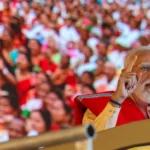
In a major political development in Bihar, JD(U) chief Nitish Kumar’s son Nishant Kumar has reportedly declined the offer to become Deputy Chief Minister, ending weeks of speculation about his formal entry into a top administrative role.
According to party sources, senior JD(U) leaders attempted multiple rounds of persuasion, but Nishant refused the position, citing a lack of experience and a desire to work more closely with party workers before taking on a constitutional role.
Cabinet Formed Without Nishant Kumar
Following his refusal, the new Bihar government saw senior JD(U) leaders Vijay Kumar Chaudhary and Bijendra Prasad Yadav, along with BJP leader Samrat Choudhary, take oath as part of the leadership structure.
The absence of Nishant from the cabinet has triggered widespread political discussion about internal JD(U) dynamics and the evolving power balance within the alliance.
Why Nishant Said No to Deputy CM Post
Sources within JD(U) revealed that Nishant Kumar (44) was repeatedly encouraged by party leaders to accept the deputy CM position.
However, he reportedly declined, stating that he:
Lacks sufficient administrative experience
✔ Wants to understand grassroots politics first
Prefers working with party workers before taking executive power
Party insiders suggest Nishant also intends to stay away from formal government positions for at least six months after recently entering politics.
His decision is being projected by some leaders as a deliberate move to avoid accusations of dynastic politics.
Dynastic Politics Debate Returns to Center Stage
Nishant Kumar’s entry into politics had already sparked debate due to his family background.
Both Nitish Kumar and Nishant have historically opposed dynastic politics, often criticizing similar political trends in other parties.
Party leaders argue that stepping away from the deputy CM role helps:
Avoid criticism of nepotism.
Strengthen credibility within JD(U).
Allow Nishant to build an independent political identity.
One senior leader stated that the decision improves political optics and gives Nishant time to develop grassroots connections.
BJP’s Growing Influence in Bihar Politics
The political context surrounding Nishant’s decision is also significant.
With the BJP emerging stronger in Bihar’s power structure, analysts believe the party is now positioned to exert greater influence in governance.
Some JD(U) leaders claim that the BJP is gradually shaping administrative direction and consolidating its position within the state government.
A senior party insider noted that internal factions exist within JD(U), with differing opinions on Nishant’s role and political future.
Internal JD(U) Divide Over Leadership Strategy
Reports suggest JD(U) is currently facing internal disagreements over leadership decisions.
While one faction supported Nishant Kumar’s entry as Deputy CM to strengthen the party’s legacy, another faction opposed the move.
Some leaders believe that having Nishant in a high position would have the following:
Strengthened JD(U)’s public appeal
Boosted worker morale
Helped preserve Nitish Kumar’s political legacy
However, opposing voices argued that aligning too closely with dynastic succession could weaken the party’s ideological stance.
Concerns Over JD(U)’s Political Future
A section of JD(U) MLAs has reportedly expressed concern about the party’s weakening position, especially with Nitish Kumar moving to the national stage.
According to them, a lack of strong internal leadership could impact party unity and long-term influence in Bihar politics.
Some leaders also believe the BJP may eventually consolidate more control over the alliance structure.
Expert View: Shift in Bihar’s Political Culture
Political analysts suggest that Bihar is entering a new phase of governance where the BJP’s administrative model may play a stronger role.
Experts argue that
- The BJP is now in a position of greater influence.
- Governance style may shift toward a more centralized model
- Regional parties like JD(U) may face internal restructuring.
One political expert noted that Nishant’s decision could indirectly affect the visibility of Nitish Kumar’s political legacy.
Another analysis suggests that the BJP’s rise in Bihar marks a shift toward a more assertive political culture in the state.
What Nishant’s Decision Really Means
Nishant Kumar’s refusal is being interpreted in multiple ways:
A personal decision to gain experience
A strategic move to avoid criticism of dynastic politics
A reflection of internal JD(U) uncertainty
A signal of shifting BJP-JD(U) power balance
While JD(U) leaders insist Nishant remains active in party affairs, his future political trajectory remains uncertain.