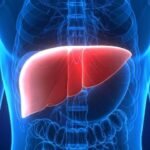
In a recent paper in the journal Science Advances, researchers suggest that decreasing dietary protein could help slow the pace at which liver tumours develop when the liver has difficulty clearing ammonia from the body. Their results show that a common part of many people’s diets (protein) may actually help promote tumour growth through a normal metabolic by-product (ammonia) in cases where there is liver dysfunction.
In mice with poor liver function, the presence of elevated ammonia (due to the inability to effectively clear it) resulted in an increase in the growth of tumours compared to mice with proper liver function.
Ammonia Accumulation Drives Tumour Growth
An ammonia build-up occurs in the liver tissues and bloodstream when the metabolic breakdown of a protein, which should normally occur within a healthy liver, is not running correctly due to a diseased liver, such as with hepatitis or fatty liver disease, which can be due to alcohol or cancer, resulting in an excessive amount of ammonia in the liver depending on the level of the blockage of DNA formation in the liver.
The study also provides evidence that the excess ammonia generated in the liver from liver tumours is used by the tumours to produce amino acids and nucleic acid from the ammonia, thus creating a constant fuel to support the rapid growth of the liver tumours. Thus cancer can now use a by-product of the metabolic breakdown of a protein as a resource for rapid growth.
Experiments in Mice Confirm Dietary Impact
Wei-Zing led a research team from Rutgers University that studied if decreasing protein intake would decrease tumour growth. Tumour growth decreased in the mouse population when an experimental low-protein diet was given. Also, a lower ammonia concentration was found as a result of protein restriction, leading to slower tumour growth rates with improved survival statistically evident in numerous liver cancer models evaluated by the researchers.
The researchers performed additional research investigating ammonia-detoxifying enzymes and the effect on tumour growth. In all cases, higher levels of ammonia correlated to larger tumour size and shorter survival times, illustrating the critical importance of the proper elimination of ammonia formed from protein digestion.
Not a Universal Recommendation
The results of the research suggest that the underlying study should not be applied extensively to everyone on a low-protein diet, particularly if the individual is fighting cancer, where ample protein is needed to retain muscle mass, strength, and energy during treatment. An excessive restriction in protein could lead to malnutrition, weakness, and additional health problems for someone.
According to professionals, any dietary changes should be individually tailored and medically supervised, especially for those with chronic liver disease or other existing health problems related to nutrition.
Additional Tumour Effects Observed
The effects of the low-protein diet were not limited to just decreasing ammonia levels; it also reduced the proliferation of tumour cells, inhibited fibrosis-associated activity, and decreased the amount of growth signalling that occurs within tumours. When taken together, these alterations lead to a reduction in available nitrogen, which is an important contributor to fast-dividing cells, thus contributing to an overall decrease in tumour progression in livers that function poorly.
Implications for Liver Disease and Cancer Management
Research demonstrates that dietary changes may work with traditional treatments to support liver cancer patients with poor ammonia processing. Working with an experienced nutritionist to manage protein consumption might be a way to help reduce tumour growth while maintaining a patient’s overall nutrition.
The study used animal models; therefore, future research should include people so that physicians can develop clear clinical guidelines on the safe limits and benefits of protein for patients with liver cancer.
Future Directions
The study indicates a larger concept about how to deal with metabolic waste (e.g., ammonia) in our bodies may play a role in cancer development. Future studies may look into developing targeted approaches to enhance detoxification of ammonia or restricting tumour access to nitrogen to provide further help in the treatment of patients.
The research opens a new avenue for discussion about the relationship among diet, liver health and cancer treatment. Personalised nutrition may be particularly important for cancer prevention in those at risk for developing the disease.