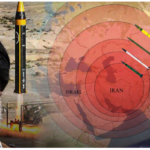
Energy markets reacted earlier than ever. Oil and gas prices jumped when Iran continued to strike throughout the entire Middle East, following US and Israeli attacks. The shipping of energy was significantly slowed down, and investors re-evaluated risk levels across global energy supply chains. The conflict has now spread beyond just battlegrounds; it is impacting the entire world economy.
Brent Climbs, Gas Spikes
On Monday, Brent crude (the worldwide oil standard) hit $82 per barrel for a brief period. The increase was due to multiple reports of attacks on three ships near the Strait of Hormuz over the weekend, which is an important shipping route between the Red Sea and the Persian Gulf, with 20% of all oil and gas being transported through this narrow channel.
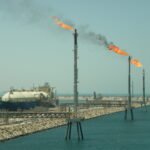
Natural gas prices have increased significantly more than oil prices. The day after the attacks, prices jumped to a maximum of 50% over prior to the attacks (then closed 39% from pre-attacks). The rise in gas prices is attributable to decreased production of liquefied natural gas (LNG) in Qatar to respond to military attacks against facilities in Ras Laffan Industrial City. The Ministry of Defence for Qatar issued a public alert regarding the drone attack on energy infrastructure in that country and also reported that a drone attack against Saudi Arabia’s Saudi Aramco oil refinery in Ras Tanura caused that facility to be shut down.
The number of ships sailing through the Strait of Hormuz has decreased dramatically due to military events occurring in the region, including the attacks on the tankers. The UK Maritime Trade Operations (UKMTO) sector has issued multiple warnings regarding the increased number of attacks and incidents on or in the vicinity of the Strait of Hormuz, and there are approximately 150 tankers waiting at the port of anchorage outside of the Strait due to security concerns.
Markets React With Caution
The stock indices fluctuated throughout the day, with no sign of panic or fear in any of the markets. On Wall Street, both the Nasdaq Composite Index and the S&P 500 opened lower but closed slightly up for the day. The FTSE 100 Index in London was down 1.2%, dragged down by airline and banking stock declines, while oil and defence companies were up.
Analysts report that there is much attention being paid by investors to transport routes at this time, but so far, no significant damage has occurred to any of the primary production infrastructures, thus limiting the price spike in crude oil. However, if the current conflict continues to escalate, many believe that crude oil prices could exceed 100 dollars per barrel.
Inflation Fears Resurface
The rising cost of energy might result in inflation rates increasing. Should this happen, then central banks (including the Bank of England) will need to rethink their plans to cut interest rates recently (to 3.75%). Economists caution against continued price increases having a knock-on effect throughout the economy, including food/transport/industrial prices. Petrol prices may also increase due to rising energy prices.
At this time, OPEC+ has promised an increase in production levels, though it is unclear whether this will provide sufficient offsets to the existing disruptions in the supply chain. Energy markets are not yet in a crisis mode; however, an important global shipping lane is currently at risk, and traders understand how quickly that could change