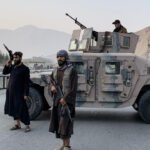
The tensions along the treacherous border country between Pakistan and Afghanistan have escalated to a dangerous new level, with Islamabad declaring what it calls an “open war” in response to numerous retaliatory airstrikes and ground battles over the last several days. The government of Pakistan are making it clear through their statements to their citizens that no one will be safe from their military actions.
This latest increase in violence between the two bordering nations represents one of the most serious confrontations between them in many years.
Operation Ghazab lil Haq Unfolds
Late on Thursday night, Pakistan announced a new operation against the Afghan Taliban, dubbed Operation Ghazab lil Haq, following a number of alleged attacks from the Afghan Taliban on various Pakistani border posts. Reports claim that more than 130 Taliban have been killed in the operation.
Witnesses in Afghan cities report a heavy volume of explosions as well as jets flying overhead. Multiple air strikes were reported to be conducted in Kabul, Kandahar and elsewhere. Pakistani officials say this action is a definitive response to continued aggressive behaviour from the Afghan Taliban.
A Hardening Tone from Islamabad
Pakistan’s military authorities are declaring that they have exhausted all avenues of diplomacy/negotiation. They claim they have attempted to resolve matters through diplomatic processes and/or diplomacy, but it is no longer possible to continue in this manner. Therefore, this has prompted them to declare (open) war against India. Pakistan’s generals are also stating that they will be willing to escalate their military response if further attacks are made against Pakistan.
Also Read: Earn $100,000? Here Are the American Cities Where Your Pay Cheque Lasts the Longestuor Policy Case
The Roots of a Bitter Rivalry
Relationships soured for a period of time before tensions boiled over. These difficulties arose after the Taliban regained control in 2021. Pakistan has claimed that militants who have committed acts of violence against their citizens were being provided sanctuary in Afghanistan by the Taliban. The Taliban and the government of Afghanistan both denied these claims. Afghan officials have accused Pakistan of supporting anti-Afghan and illegal fighters who violate Afghan sovereignty, and a pattern of retaliation and blame has been established between both countries.
In 2025, many people were killed as a result of fighting that occurred along the border. Several ceasefire attempts were made, with many brokers, including Qatar and Turkey, but none had a substantial lasting impact.
Conflicting Claims on the Ground
Afghan officials acknowledge the air strikes but downplay their impact. Taliban spokesmen say there were no civilian casualties. They also claim to have launched counter operations along the border.
Meanwhile, Afghan authorities report casualties among their own soldiers during ground fighting. Each side continues to shape its narrative, reflecting the fog that often surrounds fast-moving conflicts.
What Comes Next
Announcing a state of war significantly heightens the risk of increased instability throughout an already unstable part of the world. A lengthy conflict will put additional strain on humanitarians and could involve other nations within the region.
The warning from Islamabad has been clear — the time for restraint has passed. The threshold for restraint has been raised. It is uncertain if there will be an opportunity for both parties to be drawn back through diplomatic means, but there has not been a more broadly significant moment in history.
Also Read: Arvind Kejriwal, Manish Sisodia Cleared Of Charges In Liquor Policy Case