According to sources familiar with the situation, Russia issued an order authorising the entry of some Iranian vessels into Indian ports. These vessels have been granted exemptions from restrictions on their entry into Indian ports based upon an agreement made between Iran and India.
With ongoing geopolitical tensions throughout the Middle East and subsequent disruptions to global sources of supply of fuel, India is facing one of its worst energy supply crises in decades.
The authors of this report did emphasise that although the Indian government is giving special exemptions for certain ships carrying cargo understandings, it will only provide these exemptions after a complete safety inspection of each vessel.
Waivers Granted on a Case-by-Case Basis
Indian port authorities are known for their stringent regulations regarding the arrival of foreign vessels.
The current rules require tankers to be inspected and certified as seaworthy for the last 20 years prior to entering the port. In addition, ships that are subject to US sanctions cannot enter Indian ports.
Sources suggest that various unnamed government officials have stated that they have temporarily relaxed some of these regulations.
Each vessel that remains compliant with existing safety standards is issued an individual waiver to unload cargo; however, these waivers do not constitute blanket relief from any of the standard regulations for vessels entering Indian ports.
Sources indicated that government officials would evaluate each request individually before issuing the waiver. The waivers are not intended to allow for widespread relief from the regulations but instead want to continue to keep a reliable supply chain.
LPG Tanker Allowed to Dock in Mangalore
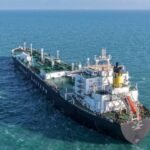
The LPG tanker Aurora, allowed to berth at Mangalore, southern India, was given permission to unload its cargo in spite of its age (approximately 30 years) exceeding usual maximum age limitations for tankers entering Indian ports because it satisfied necessary conditions for safety and because energy stability requires that an exception be made due to this unusual situation. Another tanker mentioned in the report was a sanctioned tanker called Jaya that was allowed to discharge crude oil in the port against U.S. sanctions.
India Facing One of Its Worst LPG Crises
India’s announcement of waivers for liquefied petroleum gas (LPG) comes amidst an acute shortage of this important fuel, which is heavily used by households for cooking.
India currently ranks as the world’s second biggest importer of LPG; thus, its reliance on the global energy market is critical to India meeting its domestic demand.
The ongoing conflict in the Middle East has disrupted individual supply chains and caused a massive increase in prices. These factors have created further strain on India’s energy system.
As such, the Indian government has reportedly used emergency powers to create an LPG rationing programme that would prioritise delivery of LPG cylinders to households that use them for cooking every day.
The seriousness of this situation has caused the Indian government to take these steps toward ensuring that essential fuel is available to millions of families.
Balancing Energy Needs and Global Sanctions
In the past, India’s attempts at achieving both energy independence and international sanction programmes have created an uneven playing field for suppliers. The continued development of complex energy trade relationships throughout the broad region of the Gulf, despite reducing the direct import of Iranian crude oil over the last several years, has hindered India’s ability to meet energy security objectives as imposed by international sanctions. Analysts believe that the current situation represents a round of pragmatism by policymakers following an extended period of geopolitical tensions in global energy markets which have significantly strained fuel supplies, making the provision of reliable sources by governments a national concern. Permitting certain vessels that do not meet the typical requirements to dock for these limited and defined purposes will provide additional short-term solutions to shortages of fuel supply.
A Sign of Growing Global Energy Pressures
This case exemplifies how geopolitical instability and conflict have the potential to create cascading effects within international energy markets.
As an example, an importer like India may experience significant shortages of non-renewable fuel due to disruption of supply chains, leading to shortages from within India and possibly having an economic impact as well.
Although granting temporary waivers for the transport of energy resources will not eliminate the energy supply crisis altogether, it will help keep moving essential resources and may provide additional time to find more permanent solutions to the energy supply crisis.
In the meantime, representatives of the authorities in charge will continue to tightly manage the granting of waiver requests.
The granting authority will continue to evaluate each tanker submitted for waiver requests on a case-by-case basis and will only approve ships meeting certain safety standards.
India has demonstrated that governments around the world have started to adapt regulations to ensure that they can continue to secure critical energy supplies in order to meet their basic energy needs in the face of continuing global energy tension.
Also Read India Breaks 7-Year Freeze: Turns Back to Iran for Oil Amid Middle East Turmoil