According to a parliamentary report released recently, India may take a major step toward enhancing its air combat capability by potentially joining one of several sixth-generation fighter jet programs being developed by a European country. Additionally, this would be the first official indication that the Indian Air Force might be able to work with other nations to develop next-generation fighter aircraft in addition to their current efforts to develop their own.
A Shift Towards Global Collaboration
The Ministry of Defence has told the Parliamentary Standing Committee On Defence that the Indian Air Force (IAF) is currently pursuing partnerships with one of the two main European consortia developing sixth-generation combat aircraft.
The first of the two consortia consists of the United Kingdom, Italy, and Japan through the Global Combat Air Programme; while the second consists of France and Germany through their Future Combat Air System initiative.
If India were able to join either consortium, it would represent a major development in defence co-operation and technological advancement.
Why Sixth-Generation Matters
The introduction of sixth generation combat aircraft is expected to change modern warfare due to new characteristics of enhanced stealth, artificial intelligence (AI) integration, improved sensor fusion and the ability to jointly operate with unmanned systems.
India considers staying current with these ongoing technological advancements as essential. The parliamentary committee noted that if these enhancements are not implemented in a timely manner, India could lose its edge in a rapidly evolving air-dominant battlefield environment.
Squadron Strength Remains a Concern
The IAF’s present level of readiness necessitates prompt action to address the shortfall in fighter/strike squadrons. The IAF is at approximately 31 out of a planned inventory of 42 squadrons. There has been much discussion among defence planners regarding the enhancement of numerically significant fleets/aircraft and the improvement of improved technological capabilities; thus it has been made a dual priority and could relate to the long-term goals of entering into a 6th Gen Program.
Balancing Indigenous and Foreign Projects
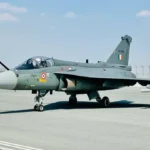
In 2023, India is also pursuing development of fifth gen stealth fighter (Advanced Medium Combat Aircraft) in conjunction with LCA-2 (Light Combat Aircraft) Program by Indian Air Force (IAF) who fully support development & design; however, it is acknowledged that domestic timelines and ongoing global competition mandate development of different strategies in parallel (with respect to aircraft), meaning that collaboration with existing international programs affords access to advanced technology in a timelier fashion.
Regional Pressures Intensify
India’s ambitions receive urgency with respect to the regional situation. China has integrated its J-20 fifth-generation fighter and is advancing with newer systems (the J-35 fighter). Reports have also indicated that Pakistan plans to obtain advanced stealth aircraft, which continues the shift in the regional equilibrium. Additionally, China has begun testing its early sixth-generation prototypes; this indicates that the next generation of air combat will commence soon.
Expanding Combat Capabilities
The report goes on to stress that IAF continues to improve it’s ability to deliver combat strikes using different capabilities – not all are fighter jets but there are also helicopters like Apache, Prachand and ALH Mk IV that can be deployed and carry out airstrikes, etc.
BrahMos missile system, as well as various current and future developing space capability, will enhance India’s defence posture.
The Road Ahead
An Indian parliamentary committee made recommendations for the government on the establishment of a comprehensive roadmap toward developing sixth-generation defence capabilities. The committee urged both timely planning and action necessary for India’s military to maintain a competitive edge in current warfare methods.
Although no formal decision has yet been made by the Government of India regarding this matter, it is clear from both the contents of the report and the Government’s response that India is preparing for what could be called an unprecedented period of aerial combat for future combat and war, and that it wants its military forces to lead in an age where technology, cooperation and agility will determine military might.
Also Read PM Modi Speaks With UAE President Over Strait of Hormuz Crisis