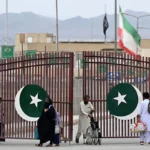
Following a 7-year break, India has recommenced importing oil and natural gas from Iran, marking a change in approach and strategy toward energy. This gesture is also indicative of the changes that India has made to its foreign policy posture. India’s first step back into Iranian oil and gas is occurring amidst ongoing disruptions in world energy markets, regional military conflicts, and increased pressure from the United States to be strategically aligned with it.
Why India’s Return to Iranian Oil Matters
According to India’s Ministry of Petroleum & Natural Gas, Government of India, Indian refiners get their crude oil from over 40 countries, one of which is Iran. Recently, an LPG shipment of 44,000 metric tonnes of Iranian liquefied petroleum gas got delivered to the Indian Port of Mundra, showing the country is taking action to ensure they can maintain diverse energy supplies even when supplies are disrupted.
As a direct result of its agreement with the Iranian government, this will be the 1st time in almost 3 years that Indian refiners have purchased Iranian crude oil.
According to Rystad Energy, this represents both the importance of having sources of energy to support India and part of a political balancing act to make it clear to both sides that India will not play a role in supporting regional conflicts.
Energy Security Amid Global Turbulence
Given that India is the world’s third-largest oil importer and second-largest consumer of liquefied petroleum gas (LPG), it relies heavily on the Strait of Hormuz, which carries roughly half of India’s crude oil and almost all of its LPG imports.
The following logistical difficulties have arisen from the continuing tensions between the United States, Israel, and Iran. As a result, 17 Indian-flagged vessels are currently waiting for safe passage to port; meanwhile, only seven have recently crossed after negotiations with the Iranian government.
According to experts, having an energy supply from Iran will provide India with an “insurance policy”. As Arpit Chaturvedi, South Asia advisor to Teneo, explained: “By maintaining these relationships, India has a measure of insurance through which it can secure maritime transit of its products with the risks created by the current geopolitical situation and present itself as a neutral party in the face of this level of conflict.”
A Calculated Diplomatic Balancing Act
India has been historically close to Iran but has swung towards a more American alignment since the recent turn of events in the region regarding the Middle East. However, the resumption of oil imports from Iran shows that New Delhi is less willing to fully align with Washington and has established limits to the extent that it will go in that direction.
“By pursuing a bilateral agreement with Iran for secure navigation, India is deliberately distancing itself from the naval coalition proposed by Washington,” said Reema Bhattacharya, Director of Research for Asia at Verisk Maplecroft. The fact that India has now reversed its policy and is opting for a more pragmatic approach to energy rather than publicly getting involved in a dispute that it was not involved in supports its decision.
U.S. Pressure and the Geopolitical Chessboard
U.S. President Donald Trump last week called upon all nations that receive energy by way of shipping lanes through the Strait of Hormuz to participate in a new U.S.-led coalition of naval forces, promising support from America. By taking steps towards engaging directly with the Iranian government instead of joining this coalition, India is asserting that it has the autonomous right to conduct foreign policy in its own interests without adhering to a request from another country.
India’s decision to pursue relations with Iran comes at a period during which India is embroiled in a tariff dispute with the United States; the Trump administration placed additional tariffs upon Indian exports and criticised India’s acquisition of cheap crude oil from Russia, claiming that by acquiring crude oil from Russia, India is indirectly aiding Russia in its war against Ukraine. In light of these relationships, India cut back on its purchases of Russian oil over the course of the last year, but once Middle Eastern oil supplies were disrupted due to conflicts in that region, India was forced to return to importing oil from Russia again.
Soaring Costs and Strategic Necessity
Due to global supply shocks, the price of crude baskets from India has dramatically increased from 69.00 per barrel (February 2026) to 113.00 per barrel (March 2026). According to Kpler data, Indian imports of Russian oil increased from 1 million barrels per day in February to 1.9 million barrels per day by the end of March. Although there are relatively low levels of imported Iranian oil, this supply is critical for minimising price fluctuations and providing consistent LPG supplies to homes/businesses within India.
What This Means for India-Iran Relations
According to analysts, India’s purchase of energy from Iran is more than a transactional relationship; it is also a way for New Delhi to show Tehran it values cooperation. In return for this continued purchasing relationship, India wants Iran to help ensure the passage of Indian vessels transiting through the Strait of Hormuz under secure conditions. This complex arrangement enables India to protect its interests in energy while still maintaining diplomatic avenues with all the key players in the region.
Also Read Iran oil sanctions India