Recent weeks have seen reports of significant wait times at gas pumps in many areas of India, which have created fears across the country about a fuel shortage due to media reports of issues related to fuel supply and deliveries caused by the escalating conflict in the Middle East. In cities like Srinagar citizens rushed to fill up their tanks out of fear that they would be cut off from using their vehicles if gas supplies were disrupted like they were in parts of the Middle East due to the Afghanistan war and their current conflicts.
The good news is that the Indian government has provided a definitive statement dispelling rumours; there is currently no shortage of fuel in the country.
“Our fuel supply throughout India is stable and fully stocked at all pumps while they continue to operate with no restrictions,” said a spokesperson from the Ministry of Petroleum and Natural Gas.
Two Months of Oil Security
The main source of comfort is that India currently has enough crude oil and fuel to last for approximately 60 days, including both existing stocks and secured imports. Officials say that oil companies have already arranged to procure oil for the upcoming weeks, so continuity will be maintained even if there are disruptions to global supply chains. Total reserve capacity for crude, gasoline, and diesel fuel is currently estimated at almost 74 days. This represents an increase from earlier estimates at the beginning of the conflict. In other words, even if conditions continue to decline outside of its borders, India has sufficient buffering capacity to handle any immediate shocks.
LPG Supply Remains Comfortable
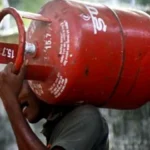
On liquefied petroleum gas, the government has also sought to ease public anxiety. Current arrangements ensure about one month of LPG supply through imports, with additional shipments being continuously secured.
More significantly, domestic production has increased sharply. India is now producing a majority of its LPG requirements internally, reducing dependence on imports.
Officials noted that refinery output has risen by nearly 40%, reaching around 50 thousand metric tonnes per day. This meets over 60% of national demand.
Meanwhile, additional LPG cargoes are on their way from countries including the United States, Russia, and Australia.
Demand Surge Driven by Fear
Even though fuel supply has remained stable, there has been an unexpected surge in fuel consumption. State-run fuel retailers have experienced an extremely rapid rise in sales over the past two days. Industry estimates indicate that petrol and diesel sales are up over 15 per cent across the country; in some areas, the demand for fuel is up more than 50 per cent compared to normal daily volumes. The unusual increase in fuel sales is symptomatic of panic buying instead of true supply shortages. Those in authority are advising people not to create unnecessary stockpiles because doing so will put a strain on the local supply chain when the overall supply is sufficient to meet the demand.
Global Tensions, Local Concerns
Iran, the U.S., and Israel’s increasing tensions are the basis for the concern.
The Strait of Hormuz, which is a vital passage for shipping oil around the world, has reduced the volume of traffic passing through it since the start of the hostilities. Generally, any disruption to this pathway creates a sense of uneasiness among countries that import energy (like India).
However, according to Indian officials, there continues to be diversity in these lines due to sourcing multiple destinations and territories for imports rather than using a single pathway for all of them.
Government Warns Against Misinformation
One thing that has caused concern for local authorities is the spreading of false information on social media platforms. Officials have cautioned citizens that false claims regarding a lack of fuel can lead many people to panic unnecessarily. In response to the social media rumour mill, the government is indicating that action could be taken against those responsible for spreading these types of claims. In times of uncertainty, the government feels that clear communication is vital to maintaining public trust in them.
Stability, For Now
As of today, the supply/demand forecast appears relatively stable with sufficient stocks of crude oil (approximately 60 days) and manageable levels of liquefied petroleum gas (LPG) for India to weather short-term supply chain disruptions.
The challenge for India will be to mitigate perceptions of instability in the oil and LPG markets.
Moving forward, the real test of India’s preparedness will not only be the integrity of its supply chains but also the level of the general public’s confidence in India’s government, economy, and private sector businesses to find solutions. During these times of uncertainty, providing assurance to the public could be as important as having sufficient inventories of fuel supplies.
Also Read LPG Cylinder Prices Rise as Global Energy Tensions Grow