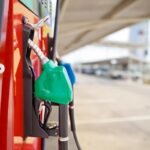
Beginning on April 1, 2026, all petrol filling stations throughout India will offer a new fuel option—E20—a blend of up to 20% ethanol. All stations in India are required by law to dispense E20 (minimum Research Octane Number of 95), and all oil companies must comply with this requirement by April 1, 2026.
On February 17, 2026, the Oil Ministry issued a notification indicating that oil companies were required to supply E20 in accordance with Bureau of Indian Standards specifications. The only possibility for oil companies to supply products other than E20 after the issuance of this notification would be if the Government of India allows alternative fuels for either emissions-related issues or only during specified timeframes or locations. Thus, there is no ambiguity in the notification regarding the provision of E20 fuel as the standard form of fuel for vehicles throughout India.
Also Read: PM Modi’s Israel Visit 2026: Strategic Partnership Enters New Phase
Why Ethanol and Why Now?
As an alternative energy source to gasoline, ethanol is produced from a variety of agricultural products, such as corn and sugarcane.
Compared to gasoline, ethanol burns cleaner, is a renewable energy source, and can be produced in the U.S. Since the U.S. imports a large portion of its crude oil, this benefit is significant.
The blending initiative has three main goals: reduce dependence on imported oil, reduce emissions, and support farmers. Creating more demand for grain products will increase demand for agricultural products and allow farmers to reduce their excess grain inventories.
As of June 2026, India achieved a 10% blending target five months ahead of schedule, and the Government of India moved up the previously set target of 20% blending from 2030 to 2025–26.
Currently, the majority of gasoline stations in India sell E20 fuel (20% ethanol).
Additionally, the Ministry of Petroleum and Natural Gas estimates the country has saved ¥1.4 lakh crore in foreign exchange by using ethanol instead of gasoline since 2014–15. The government sees this as both an environmental and economic success.
Also Read: Rohit Pawar Alleges Police Refusal to File FIR in Ajit Pawar Plane Crash Case
What RON 95 Means for Drivers
The mandates issued by several state governmental entities require a minimum of 95 RON for gasoline sold in each given jurisdiction, covering RON to be defined as Research Octane Number, which is a measure of the fuel’s ability to prevent engine knocking. Knocking in an internal combustion engine occurs when fuel ignites out of sequence, caused by compression heat. Knocking can be audibly observed (pinging), produce a decrease in power output from an engine and can create a very serious risk of doing damage to the engine itself.
Higher RON values translate to a higher level of operational resilience or stability for fuels used in these high-compression environments. Ethanol has an approximate RON value of 108, so blending 20% ethanol into gasoline raises the level of knock resistance of the blended fuel. The establishment of the 95 RON minimum will help mitigate the potential for engine damage when transitioning to E20 from gasoline.
The majority of light-duty motor vehicles manufactured in 2023 to 2025 and after will be compatible with E20, so it is assumed that within that timeframe, consumers should not encounter any major problems operating these vehicles with E20 fuel. Additionally, many older vehicles will see a decrease in fuel economy (approximately 3-7%) when operating under E20. Certain rubber- or plastic-based components may be subject to accelerated wear when operating under E20.
Also Read: AI Summit Protest: Delhi and Shimla Police End 24-Hour Standoff