A significant portion of the hospitality business in India arises from hotels and restaurants. In the last few weeks, major metropolitan areas (Bengaluru, Mumbai, and Chennai) have been affected by disruptions in the supply chain associated with LPG (liquified petroleum gas) cylinders. Stakeholders in the hospitality industry (hotels and restaurants) are now concerned that continuing to have LPG cylinder supply disruptions could lead to many hotels and/or restaurants going out of business.
The current LPG cylinder shortage is occurring at a time when the world is experiencing a crisis in terms of the supply of energy due to political unrest in various parts of the globe, with the Middle East being the most prominent example. Among other issues in the Middle East are the deteriorating relationship between the United States and Iran and the deteriorating relationship between Iran and Israel. The ongoing political unrest in these regions has resulted in disrupting the flow of energy across critical transportation corridors (e.g., the Strait of Hormuz) necessary for transporting natural gas and oil around the globe.
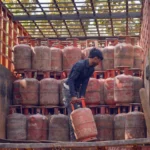
The government of India implemented major increases in the prices of LPG cylinders for both residences and businesses (restaurants and hotels). The price of LPG cylinders for residences has increased by ₹60, while the price of LPG cylinders for businesses has increased by ₹115. The rapid rises in the price of LPG products (as well as the artificially caused reductions in the supply of LPG) have caused concern for many businesses that depend on LPG to operate on a daily basis.
Bengaluru Hotels Warn of Possible Shutdown
Hotel operators in Bengaluru are sounding the alarm about the ongoing situation and warning that many operators will be forced to halt operations due to lack of LPG supply. The Bangalore Hotels Association has stated that the operations of hotels throughout Bangalore may be severely affected.
The Association has also stated that many distributors of LPG are no longer providing commercial cylinders because they do not have enough stock of the cylinder to continue providing to their customers. The representations made to hotels at the time by oil companies that there would be sufficient supply now are very disappointing, as they were promised continued supply for up to 70 days, according to industry leaders.
Operators of hotels also pointed out that the services of hotels are a necessity for many individuals, who include students, office workers, medical professionals and travellers, all of whom rely on the usage of restaurants and small eateries for their daily meals.
Chennai Hospitality Sector Appeals to Government
The situation in Chennai seems just as dire. The Chennai Hotels Association sent a letter to the Prime Minister seeking his immediate intervention in restoring the uninterrupted supply of LPG to all businesses.
As noted by the association, the foodservice sector operates 24 hours a day and supports many other essential services. For example, restaurants and catering services are relied upon to supply timely meals for hospitals, IT parks, college dormitories/hospitals, and transportation centres.
Representatives of the industry are warning that if there is no improvement in gas availability soon, this may also affect banquet reservations and large functions hosted by hotels. Already, many restaurants in Chennai are having difficulty maintaining their normal level of operations due to insufficient cooking gas.
Mumbai Restaurants Cutting Menus
The effects are already beginning to be seen in Mumbai. According to reports, around 20% of restaurants/hotels have either stopped operating or reduced their operations due to limited availability of LPG. Famous restaurants located in Dadar, Andheri, and Matunga have begun to shorten their menu offerings due to a desire to conserve gas. Slow-cooked items (for example, Dal Makhani and Rava Dosa) have been taken off menus because they need additional time to cook.
Many restaurants are also limiting their hours of operation so that they can use the remainder of their gas supply.
Industry Bodies Raise Concerns
Major hospitality industry organisations, including the Federation of Hotel and Restaurant Associations of India (FHRAI) and the National Restaurant Association of India (NRAI), have expressed serious concerns about the government’s inaction; while the government has stated that they are not prohibiting any commercial supplies of LPG, in practice, the on-ground distributors do not have any cylinders available to deliver due to stock shortages. Industry leaders have said that this disconnect between policymaking and what is happening on the ground is greatly impacting the restaurant industry.
Government Steps In
In response to the growing concerns, the Ministry of Petroleum and Natural Gas has ordered oil refineries to increase LPG production. Authorities have also introduced measures to prevent hoarding and black marketing of cylinders by enforcing a 25-day gap between LPG bookings.
The government has also invoked provisions under the Essential Commodities Act to ensure that the domestic cooking gas supply remains stable. Refineries and petrochemical units have been directed to maximise LPG output and divert additional resources to the domestic market.
Officials say priority for non-domestic LPG supply will be given to essential sectors such as hospitals and educational institutions.
Despite the ongoing challenges, government representatives have reassured the public that India’s overall energy supply remains stable and that the country is in a comfortable position to manage its fuel requirements.
Also Read: LPG Cylinder Prices Rise as Global Energy Tensions Grow