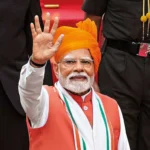
Prime Minister Narendra Modi has issued a clear warning on the growing fallout of the ongoing US-Iran conflict. Speaking in the Rajya Sabha, he urged citizens and states to prepare for a prolonged period of economic and social challenges.
His message was measured but firm. The war, he said, could leave a lasting impact on global supply chains, fuel prices and inflation.
A Call for Preparedness
Addressing lawmakers, Narendra Modi stressed that the situation requires vigilance and unity. He warned that the consequences of the conflict may not be short-lived.
He urged citizens to remain prepared for disruptions. At the same time, he assured that the government is actively working to protect national interests.
The Prime Minister also called on states to act together. He drew a comparison with the coordinated response seen during the COVID-19 pandemic. According to him, collective action will be essential in managing the current crisis.
Focus on the Most Vulnerable
A key concern highlighted in the speech was the impact on weaker sections of society. Narendra Modi noted that labourers and migrant workers are often the first to feel the strain during economic shocks.
He urged state governments to take proactive steps to protect these groups. Measures to prevent exploitation and ensure welfare support were emphasised.
The Prime Minister also warned against black marketing. Such practices tend to rise during crises and can worsen public hardship. States were asked to remain alert and enforce strict controls.
Managing Supply Chains and Inflation
The government has already begun planning for potential disruptions. Narendra Modi revealed that seven empowered groups have been set up to monitor key sectors.
These groups are focused on fuel availability, supply chains, fertilisers and inflation control. The aim is to ensure stability despite global uncertainty.
The conflict has already affected critical trade routes, especially the Strait of Hormuz. This passage is vital for global oil and gas shipments. Any disruption here has immediate consequences for energy-importing countries like India.
Energy Security Measures in Place
Despite the challenges, the government remains confident about energy supplies. Narendra Modi stated that India has sufficient crude oil reserves to meet demand.
Strategic petroleum reserves have been expanded significantly. There are also plans to increase capacity further in the coming years.
India has diversified its energy imports over the past decade. The number of sourcing countries has increased from 27 to 41. This reduces dependence on any single region and adds resilience during crises.
Officials are also working to ensure safe passage for Indian vessels through diplomatic channels.
Bringing Citizens Home
The safety of Indian nationals abroad remains a top priority. Narendra Modi confirmed that more than 375,000 Indians have been safely evacuated since the conflict began.
From Iran alone, over 1,000 citizens have returned. Many of them were students pursuing medical education. The government, he said, is handling the situation with care and urgency.
A Push for Peace
Beyond immediate concerns, India continues to advocate for a diplomatic resolution. Narendra Modi reiterated that any threat to human life is unacceptable.
He called on all sides to pursue dialogue and de-escalation. India, he said, remains committed to supporting peaceful solutions in times of global crisis.
A Test of Resilience
The Prime Minister’s address reflects a broader reality. Global conflicts can quickly translate into domestic challenges. From fuel prices to food costs, the ripple effects are wide-ranging.
For India, the coming months may test both preparedness and unity. The government’s message is clear. Stay alert, act together and be ready for a long road ahead.
Also Read Modi and Trump: From Trade Tensions to Friendship Reset