The Indian Parliament’s discussion on the global energy crisis intensified with an increasing concern for ordinary citizens as it relates to their individual welfare.
This was especially true during a Rajya Sabha Appropriation No 1 Bill debate on March 9, 2022, where many Opposition party Members of Parliament were critical about how government officials have responded to the current conflict in the Middle East, which has resulted in sharply increased prices for liquefied petroleum gas and will likely be followed by higher prices for petrol and diesel, disruptions to international shipping routes, and more generally cause the economy to suffer further.
The sense of unease that has begun to build within financial markets and industries has been heightened in response to events unfolding in West Asia, and increasingly they fear that the current disruptions to global energy supplies may cause larger economic disruptions in the future.
War Threatens Global Energy Lifelines
The primary focus of concern is around the Strait of Hormuz, which happens to be one of the main energy corridors of the world. Approximately 20% of oil and liquefied natural gas is transported by this small body of water connecting the Persian Gulf and the rest of the world. After the Iranian-Israeli conflicts, the buildup of tension due to the attack on oil facilities in Iraq led to heightened levels of concern from many countries. At the same time, geopolitical intrigue was heightened by the alleged decision by President Trump to back away from targeting Iran’s energy sector in response to threats against US military bases located in the region. In turn, both countries warned that if Israel continued to target Iranian oil facilities, there would be dire consequences for Israel’s power generation and logistics companies as well. All of these events are creating chaos in the global energy markets and have led a number of countries to prepare for the potential supply shocks.
‘People Are Returning To Firewood’
Opening the discussion in Parliament, Neeraj Dangi said the early effects of the crisis are already visible.
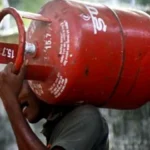
His experience with cooking gas shortages in the past led him to believe that shortages of LPG will severely impact both households and businesses. According to his sources, restaurants and other commercial establishments are now facing difficulties in obtaining sufficient quantities of LPG in various locations due to the decrease in the LPG available for sale. He stated that black market activity is also starting to emerge as the price of LPG continues to rise and is becoming increasingly unavailable to the average consumer. He stated that thousands of families are now having to consider alternatives because of rising prices and the lack of availability of LPG. In addition, he made an alarming statement that some people may have to go back to cooking on fires using wood because the cost of cooking with gas is becoming unmanageable. He also stated that the Union Budget did not create any budgetary funding to help meet the economic challenges facing poor families. He stated that there are three major issues that continue to plague the general public, namely, lack of employment, rising prices and the fall of the rupee; and that these negative economic conditions continue to place great burdens on families throughout India.
Opposition Questions Government Claims
A number of other opposition leaders have voiced similar concerns. Saket Gokhale has claimed that the government’s projection of budgets is unrealistic based on the revised estimates for 2025-2026 and claims that the estimates have been greatly lowered from their original amounts. Gokhale also warns that fuel prices may continue to rise over the coming months. You don’t see any transparency from this government about how significant the current LPG shortfall is and the extent to which petrol and diesel prices are expected to rise in the future.
John Brittas also pointed out that India has become increasingly dependent on energy imports over the last 20 years, stating that about 70% of India’s oil and gas needs were from imports, but today he states that figure is almost 90%. This excessive reliance on global supply chains makes this country susceptible to geopolitical tensions, which can disturb supply chains and increase prices.
A Rare Note Of Support
Several other opposition leaders echoed similar sentiments.
Saket Gokhale characterised that government updates to fiscal predictions were unrealistic and suggested that adjusted estimates for 2025/26 have significantly lowered in comparison with the previous prediction for that same year.
Gokhale added that fuel prices may continue to increase throughout the next several months. Even with some of this criticism being present in certain quarters, not all voices in the chamber were hostile to each other.
Former Prime Minister H. D. Deve Gowda expressed his belief in the present leadership of Narendra Modi and that Prime Minister Modi is an experienced leader that would lead this country through difficult and challenging times.
Gowda indicated his belief that strong leadership will be important, given the continued uncertainty on a global scale.
He also stated that the government of India does not give proper transparency about either the magnitude or duration of the present shortage of LPG or the expected rise in prices of petrol and diesel.
John Brittas referenced how India has continued to rely on imported sources of energy during the past two decades. Twenty years ago, approximately 70 per cent of the demand for oil and gas in India was supplied by importation; currently, Brittas determined, that percentage is almost 90 per cent.
With the amount of importation into this country so high, these types of purchases leave India vulnerable when actions are taken to leverage or disrupt the market due to global events and conflicts; therefore, India must protect its markets.
Businesses And Consumers Brace For Impact
Industry groups are getting ready for possible ripple effects from above in the Houses of Parliament, as higher prices of energy usually result in higher costs of transport and production and ultimately lead to higher prices at the retail level. For small businesses like restaurants/food vendors that depend on large amounts of LPG gas in cylinders to cook with, even a slight increase in price over what is currently charged could dramatically reduce their profit margin. The same can be said for household budgets, where rising fuel prices make it extremely difficult for families to afford daily expenses (e.g., food, clothing, household essentials). As it stands at the time of writing, the government has yet to announce any immediate response regarding LPG supply/fuel price increases. However, it is safe to say that an important part of the overall debate in the Houses of Parliament indicates that energy security will soon be one of the largest economic concerns for Australia.
Also Read LPG Cylinder Prices Rise as Global Energy Tensions Grow