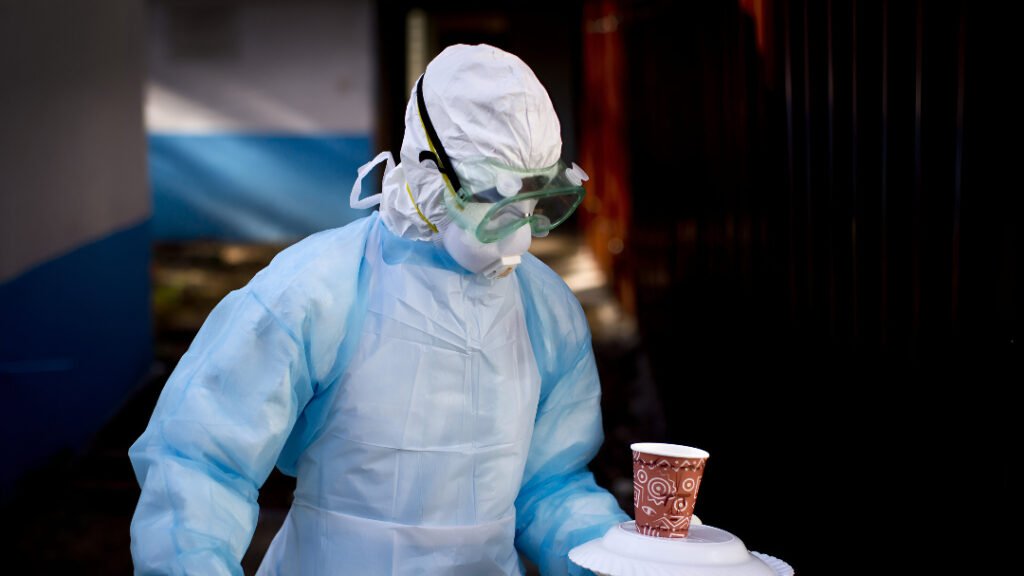
Although we’ve all transitioned beyond masks and lockdowns, COVID-19 is still silently present. India recently had 164 new COVID-19 cases within a week. Although the figure appears small in comparison with previous waves, health officials are nonetheless monitoring the situation, particularly in states such as Kerala, Maharashtra, and Tamil Nadu.
So what does this imply for us? Let us analyze it in simple language.
Where Are the Cases Originating From?
The new total of 164 new cases of COVID-19 was reported between May 13 and May 19, 2025. These are not large numbers, but they’re significant nonetheless.
Here is state-wise distribution:
- Kerala takes the lead with 69 cases.
- Maharashtra comes second with 44 cases.
- Tamil Nadu has 34 cases.
Other states such as Karnataka, Gujarat, Delhi, Haryana, Rajasthan, and even Sikkim have seen a few cases. Official statistics put the number of active COVID-19 cases in India at 257.
Is a New Variant to Blame?
Yes, indeed. The virus has not vanished; it has just mutated. The recent surge in cases is thought to be due to a new variant, JN.1, that is a sub-lineage of the Omicron family.
The JN.1 variant has already been in the news in Southeast Asian nations such as Singapore, China, and Hong Kong. While symptoms are still largely mild—fever, cough, tiredness—it is still contagious.
Experts describe it as being easily transmissible but not being likely to cause serious illness in the majority of cases. However, individuals with compromised immunity or underlying medical conditions should remain careful nonetheless.
What’s Occurring Globally?
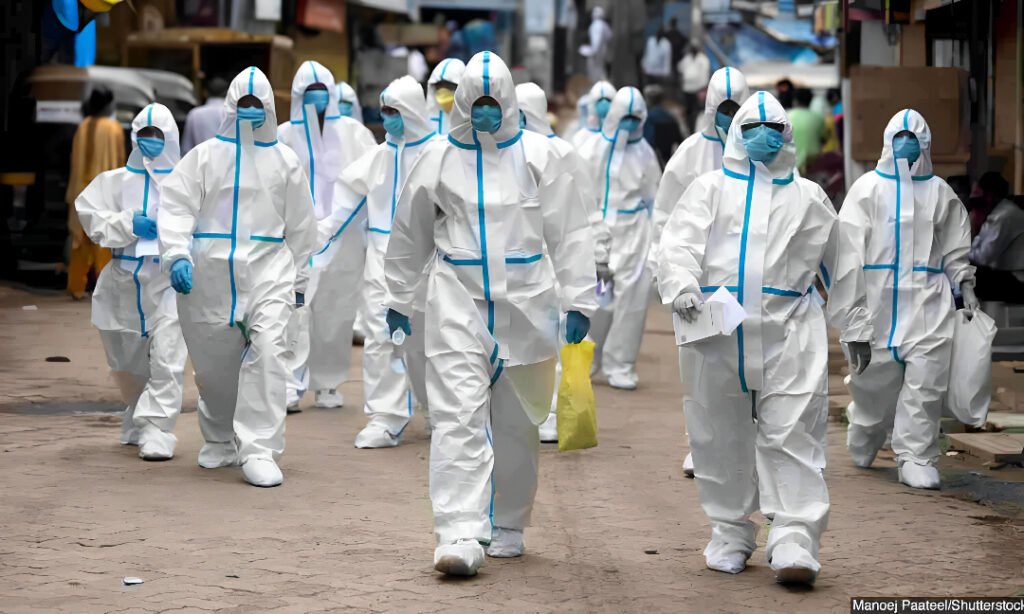
COVID-19 isn’t just back in India; it’s also appearing in other parts of the globe. Southeast Asian nations are experiencing fresh waves:
- Singapore had more than 14,000 cases during the first week of May.
- Hong Kong recorded 1,042 new cases in one week alone.
- China’s hospital test positivity rate doubled in the first week of May.
Thanks to this, it’s obvious COVID-19 hasn’t left us entirely. It’s still around and slowly spreading across many locations.
What Is the Indian Government Doing?
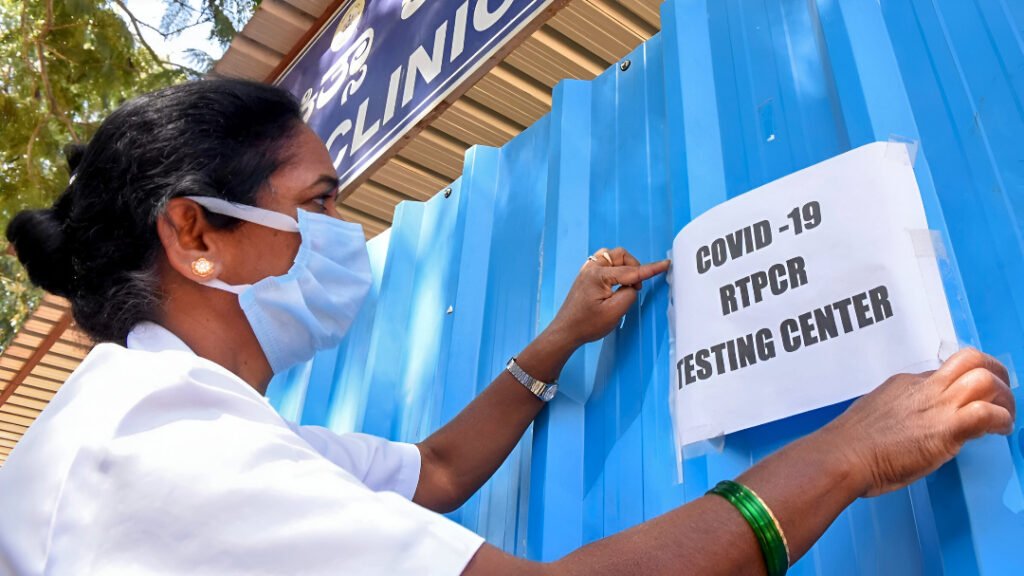
The positive news is that Indian health authorities are not taking this lightly. The Director General of Health Services (DGHS), Indian Council of Medical Research (ICMR), and the National Centre for Disease Control (NCDC) recently conducted a high-level review meeting.
Hospitals all over the nation have been instructed to:
- Watch out for flu-like symptoms.
- Track severe acute respiratory infections (SARI).
- Keep watch for a sudden rise in COVID-19 or associated diseases.
The Ministry of Health also stated that there is no need to panic, but we have to be on the lookout and ready.
Do You Need to Be Worried?
Not particularly, but you do have to be careful. For healthy individuals, the virus can just result in mild symptoms. Senior citizens, individuals with chronic diseases, or those with low immunity must still exercise caution.
Here are some things you can do:
- If you’re sick, stay away from public areas.
- Wear a mask when you cough or sneeze.
- Keep washing your hands.
- Don’t brush off persistent symptoms; get a test.
Vaccination continues to provide good protection against severe illness, so keep your doses current.
Have We Learned Anything from the Past?
COVID-19 has taught us a lot. From handwashing to remote working, our lives completely changed in 2020. Though we are no longer in lockdowns and curfews, this minor spike in cases reminds us that we must never become totally careless.
The virus might continue to evolve, but so can we. Staying informed, practicing simple precautions, and being responsible are more crucial than ever.
Final Thoughts
India’s recent incidence of 164 COVID-19 cases might not seem threatening, particularly when we look back at the frightful days of the Delta wave. Still, it is a reminder that COVID-19 is not yet over.
We don’t need to panic, but we must remain informed, be responsible, and keep adhering to elementary health protocols. Our safety is within our control. We mustn’t forget how far we’ve progressed and how easy it is for us to undo all that if we are not careful.