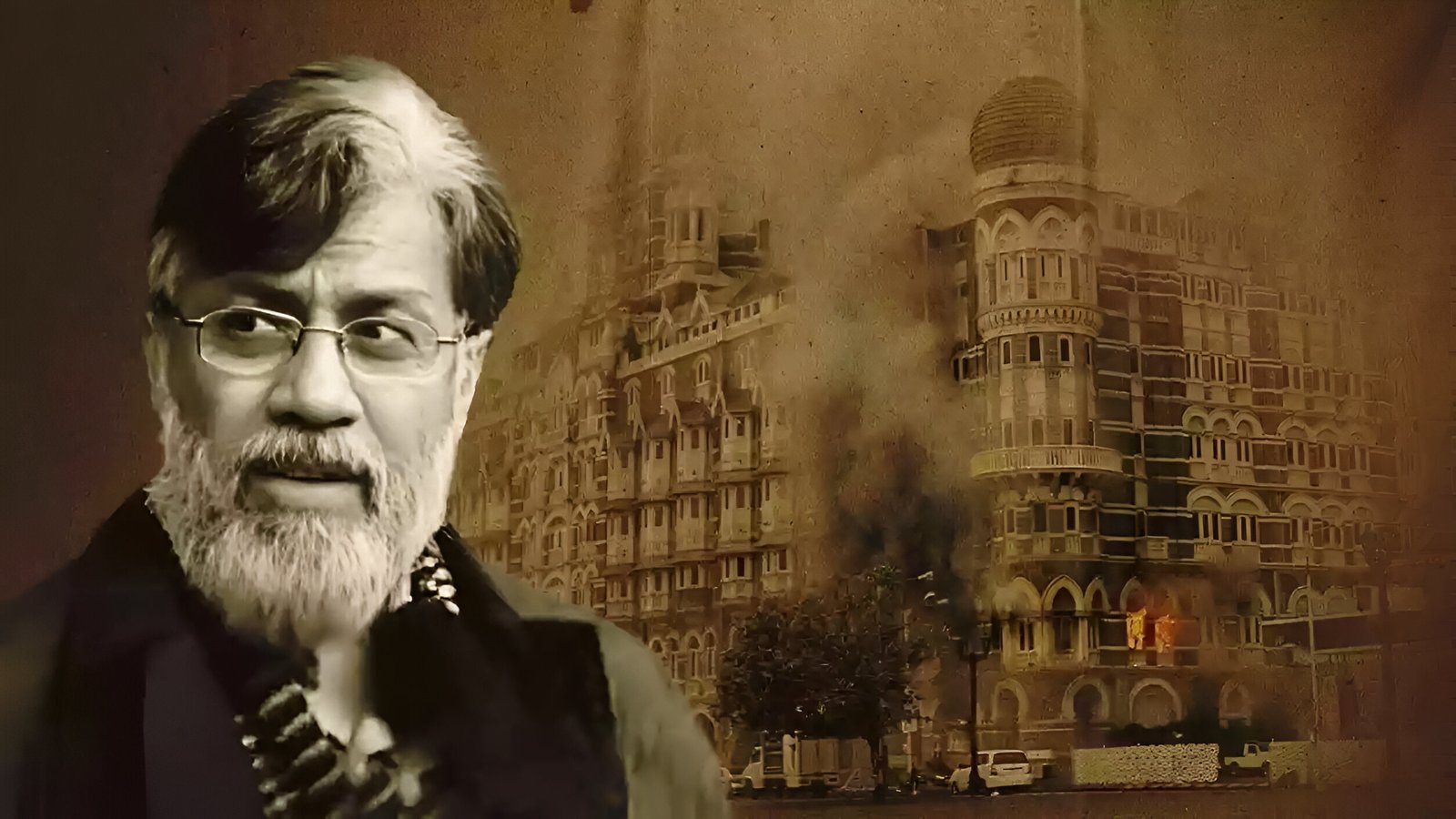
Tahawwur Hussain Rana, a Canadian based businessman originally from Pakistan and a former military doctor, has been a significant figure in terrorism investigations internationally, specifically related to the 2008 Mumbai attacks. His recent extradition to India marks a crucial moment to serve justice for the victims of these attacks.
Early Life and Background
Born on January 12, 1961, in Chichawatni, Pakistan, Rana was a doctor in the Pakistan Army Medical Corps before shifting to Canada in the late 90s. After gaining Canadian citizenship, he settled in Chicago, where he did various businesses, including an immigration consultancy.
Involvement in Terrorism
Rana’s name came to prominence due to his close relations with David Coleman Headley, one of the main masterminds behind the 2008 Mumbai terror attacks that took 166 lives. Rana allegedly made the way for Headley’s reconnaissance missions in India by providing him cover through his immigration business, helping Headley to gather important information for the attacks.
In 2009, Rana was arrested in the United States for his involvement in the planning to attack the Danish newspaper Jyllands-Posten, which had published some controversial cartoons of the Prophet Muhammad. In 2011, a U.S. federal court gave the decision against him of conspiring to provide materialistic support to increase terrorism in Denmark and for providing material support to Lashkar-e-Taiba (LeT), the terrorist organization which took the responsibility for the Mumbai attacks. However, he was acquitted of having direct involvement in the Mumbai attacks. In 2013, he was sentenced to 14 years in prison.
Legal Proceedings and Extradition
Following the conviction, Indian government sought Rana’s extradition to face charges related to the Mumbai attacks. In 2020, after getting diagnosed with COVID-19, Rana was then released from U.S. prison on compassionate grounds but was re-arrested shortly that year after India renewed its extradition request.
In May 2023, the U.S. Supreme Court gave approval to Rana’s extradition to India, a decision that was later confirmed by President Donald Trump in February 2025. Despite multiple legal challenges, including a final attempt to pause the process, Rana’s efforts went in vain.
Arrival in India and Legal Proceedings
On April 10, 2025, Rana was sent back to India and is expected to be presented before a Delhi court. The court has already received the records of his trial of the 26/11 Mumbai attacks while expecting his arrival. Rana is likely to be kept in Delhi’s Tihar Jail under high security during the proceedings.
Implications of the Extradition
Rana’s extradition is an important development in India’s efforts to bring perpetrators of the 26/11 attacks to justice. It also highlights the combined efforts between India and the United States in fighting terrorism and showcases the importance of international cooperation in addressing global security threats.
As the legal process starts in India, authorities aim to take out more information from Rana regarding the complete planning and execution of the Mumbai attacks, potentially focusing more on the broader network of individuals and organizations involved in those attacks.
In conclusion, Tahawwur Hussain Rana’s journey from a military doctor to a convicted terrorist shows the complexities of global terrorism networks and the challenges faced because of international law enforcement in bringing these individuals to justice. His extradition to India represents a crucial step in addressing the long-lasting questions regarding the 2008 Mumbai attacks and serves as a proof to the continuos pursuit of accountability for acts of terror.